


Estimates indicate that between 1 million and 1.25 million White Europeans were captured and enslaved by the Barbary Pirates, with some sources suggesting up to 1.5 million over the period from the 16th to the 19th centuries. Read further...
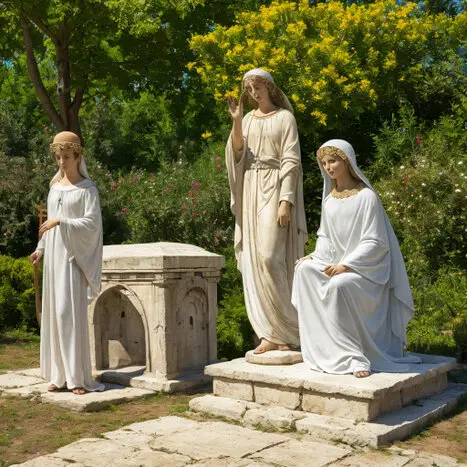
As we approach Easter 2025 (18, 21, 22 Apr), a significant transformation is occurring within the spiritual landscape. The New Thought Movement, a philosophical and spiritual movement that emerged in the late 19th century, is witnessing a remarkable revival. Lets explore together.

Ernest Hemingway, one of the most celebrated authors of the 20th century, is often remembered for his literary contributions and the tragic circumstances surrounding his death. On July 2, 1961, Hemingway took his own life, leaving behind a legacy that continues to resonate with readers and writers alike. This post explores the various factors that contributed to his decision.

The Highland Clearances, was a massive displacement of Gaelic-speaking people from their ancestral lands in Scotland during the late 18th and early 19th centuries. The event was a pivotal moment in Scottish history, marked by mass evictions, forced relocation, and widespread violence.

The Wandering Jew is a medieval Christian figure who spread widely in Europe in the thirteenth century and became a fixture of Christian mythology and literature. It concerns a Jew who, according to legend, taunted Jesus on the way to the Crucifixion and was then cursed to walk the earth until the Second Coming of Christ.
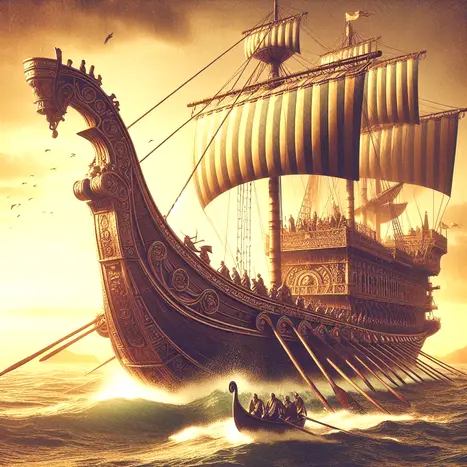
It's handy to know about the history of the African Barbary Coast Slave Trade, especially about the current focus (2024) on the UK-based slave industry and discussions about potential reparations.

The following material is presented for academic interest and to stimulate converging thoughts as the first half of the 20th century is objectively reassessed. This content, filled with sensitive and controversial content, is presented here not to influence your opinions but to ignite your academic curiosity. The information and interpretations herein do not reflect any opinion of this editor or our clients. Instead, they invite you to delve into a contentious but crucial re-evaluation.