


Activists and libertarians argue that Brabeck-Letmathe's elevation positions the World Economic Forum (WEF) as a means to further consolidate control over resources through centralised global governance. "If a Nestlé CEO who denies humans the water right is running Davos, it’s clear the WEF’s agenda is about profit and power, not public good." Read Further...
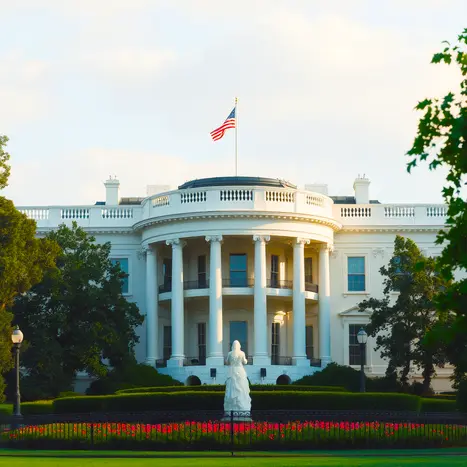
Now that Donald Trump has won the U.S. Presidential Election, he has stated what he intends to do. With the Republican Party regaining control of the Senate, Trump will have support for his political agenda in Congress. In his victory speech, He vowed to "govern by a simple motto: Promises made, promises kept. We’re going to keep our promises."