


This review explores the "Mark of the Beast," specifically the number "666" described in the Book of Revelation, and its potential application to individuals. Drawing from various scholarly and theological sources, this analysis covers historical, symbolic, and practical dimensions, ensuring an understanding for readers interested in biblical interpretation.

The story of how Great Britain (GB) became known as the United Kingdom (UK) is a complex tale woven through centuries of political unions, wars, and social transformations. This article reviews this historical narrative, highlighting the critical moments and underlying reasons for this significant evolution in nomenclature and national identity.

The term goyim is a Hebrew word that literally means "nations" and is commonly used in Jewish texts to refer to non-Jews or Gentiles. While the word itself is neutral in many religious and historical contexts, some critics argue that it has been used in a derogatory manner by some Jewish individuals or groups. Is the Use of "Goyim" - Good or Bad? Read on...
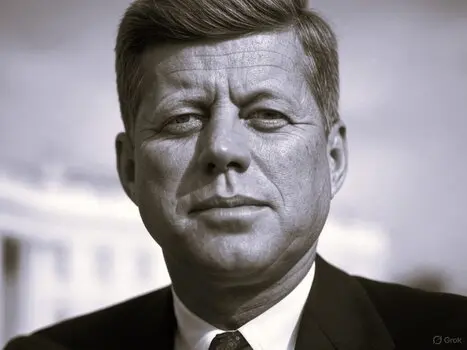
In 2010 I received what was purported to be photographs of John F Kennedy's autopsy following his assassination on Friday, 22 November 1963. With the recent interest in JFK through the release of documents, I share the photographs here. Warning, Contains Disturbing Images

The Highland Clearances represent a significant and tumultuous period in Scottish history, marked by the forced eviction of tenants from their homes in the Highlands and Islands.

The relationship between house prices and UK income has significantly changed over the past 75 years. This article explores the historical trends in house price-to-income ratios, providing insights into how affordability has evolved in economic shifts, policy changes, and societal factors.

The position of the Archbishop of Canterbury holds significant historical and spiritual weight within the Church of England and the wider Anglican Communion. This article explores whether the Archbishop serves as God's physical mouthpiece, actively guiding his church in contemporary times.

The tale of the first Black samurai is intriguing and significant, intertwining themes of cultural exchange, historical migration, and the complexities of identity. This article delves into the life of Yasuke, a figure who not only broke racial boundaries but also left an indelible mark on Japanese history.

The legend of Atlantis has fascinated historians, writers, and explorers for centuries. In his influential 1882 book Atlantis: The Antediluvian World, Ignatius Donnelly thoroughly investigated what he considered Atlantis's lost civilisation. This post reviews Donnelly's theories, the historical background, and the continuing influence of his ideas on popular culture and modern scholarship. A copy of Donnelly's book is linked to this Blog Post.

The situation surrounding Pakistani celebrations in the UK on 14 Aug presents a notable irony, particularly in the context of historical events and migration. Here are some pointers to understand the irony.